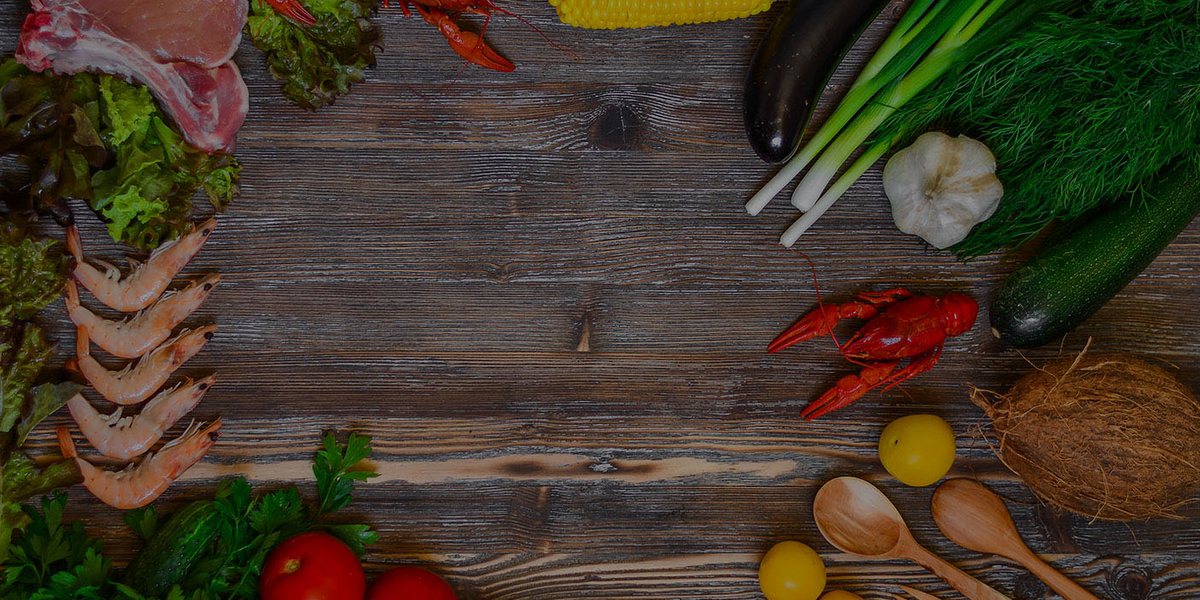
Walk through any farmers market and the colors almost speak for themselves. Deep red tomatoes, bright orange carrots, leafy greens and purple berries are more than pretty. Each color hints at a different group of natural plant compounds that help protect your heart, skin, eyes, gut and brain. Eating a wide range of colors is one of the simplest ways to nourish your whole body.
Why color matters on your plate
Plant foods get their colors from natural compounds that work like a support team for your body. Red foods such as tomatoes and watermelon support heart health, orange and yellow foods like carrots and squash help your eyes and skin, green vegetables bring folate and fiber, and blue and purple foods such as berries and red cabbage support memory and healthy aging. No single color does everything, which is why variety wins.
Easy ways to add more color
Start small. Add a handful of berries to breakfast, toss spinach into soups and pasta, and keep chopped peppers or carrots in the fridge for snacking. Frozen fruit and vegetables count too, and they are often just as nutritious as fresh. Aim to see at least three colors on your plate at lunch and dinner, and let the season guide what you buy.
Make it a family habit
Children often eat more vegetables when they help choose and prepare them. Let everyone pick one new colorful food at the market each week, try a rainbow salad night, or turn snacks into a color game. Small, fun habits like these build a lifetime of healthier eating without any pressure.
You do not need a perfect diet. A plate full of color, most days of the week, does more good than you might think.
A simple rainbow shopping list
Pick at least one item from each color group this week:
- Red: tomatoes, strawberries, red peppers or beetroot
- Orange and yellow: carrots, oranges, squash or sweet potato
- Green: spinach, broccoli, kale, peas or avocado
- Blue and purple: blueberries, grapes, red cabbage or plums
- White and tan: cauliflower, garlic, onions, mushrooms or beans
Shop the edges of the market first. Fill most of your basket with fruit and vegetables, then add whole grains, beans and proteins to complete your meals.
Eating the rainbow is a gentle, enjoyable way to give your body what it needs. If you would like a personal plan that fits your tastes, health goals and budget, our dietitians would love to help you get started.